
Калций - основен минерал в тялото на човека
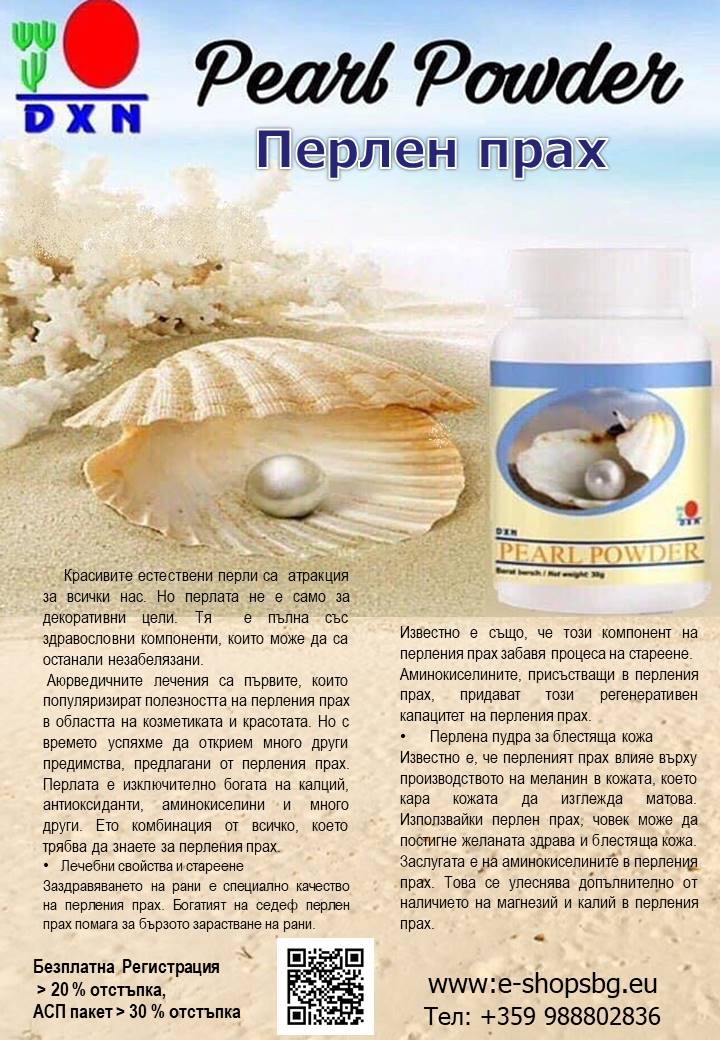
Повече от 99% от цялото количество калций, съдържащ се в човешкия организъм, е съсредоточено в костите и зъбите. Калцият е най-важният структурен компонент на опорно-двигателния апарат, необходим е и за доброто състояние на ноктите и на косата, а така също и за пълноценната работа на нервната, сърдечно-съдовата и мускулната система (калцият способства за поддържането на нормалния тонус на кръвоносните съдове, „отговаря“ за съкращаването и отпускането на скелетната мускулатура, а така също взема участие в процесите на регулация на възбуждане и на задържане в кората на главния мозък). Притежаващ противовъзпалителни, противоалергични и антиоксидантни свойства, калцият играе достатъчно важна роля в активацията на храносмилателните ензими и в регулацията на кръвосъсирването, способства за повишаването на съпротивляемостта на човешкия организъм спрямо въздействието на различни инфекции и токсини.
Ежедневно в нашия организъм трябва да постъпват около 800 мг калций, което е много сложно да се осигури чрез хранителните продукти. Ето защо е много важно да запълним калциевия дефицит и да съхраняваме баланса на съдържанието му в организма.
С времето се износват всички вътрешни системи на организма, обаче именно в костната система се случват особено силни изменения. Костите стават по-тънки и слаби, постепено губят калций. Слабите кости най-често се чупят, не издържат на нормалното за човека натоварване. Един от най-сериозните проблеми, „дебнещи“ човека с възраста е остеопорозата, при която от цялата костна тъкан в организма започва активно да се «измива» калцият.
Остеопороза – това е системно заболяване на скелета, което влиза в групата на метаболични остеопатии. То се характеризира с понижаване на плътността на костната тъкан и повишаване на риска от счупване. Така, в основата на развитие на метаболитна остеопатия лежи нарушение на ремоделиране на костната тъкан.
Остеопорозата се явява едно от най- распространени неинфекционни заболявания. По изследователски данни при хората над 50 годишна възраст остеопорозата се среща при всяка трета жена и при всеки пети мъж. Това опасно заболявание способно да предизвиква болки, загуба на двигателна активност, води до инвалидност, а понякога и смърт.
Диета и физическа активност като помощ.
Главната цел на лечението на остеопорозата –укрепване на костите чрез подобряване на нейните качества, повишаване на минералната плътност и понижаване риска от счупване, а също така намаляване на болките. Най-добри резултати се постигат при комплексния подход.
Най-добрата профилактика на остеопорозата – това е балансираното хранене от най-малката възраст, когато се формира костната маса / при жените - до 30 години./ Много е важно рационът да се обогати с калций, който се явява най- важния структурен компонент на опорно-двигателния апарат, калцият е необходим за поддържане на добро състояния на нокти и коса, а също така и за пълноценна работа на нервната, сърдечно-съдовата и мускулната системи.
Смяна на начина на живот също е съставната част от лечението. Изследванията показват, че редовните упражнения могат да намалят вероятност от счупвания на костите при остеопорозата. Те карат мускулите да въздействат върху костната тъкан, което стимулира нейният растеж и така не само съхраняват, но и увеличават плътността на костите. Също така е известно, че жените, които всеки ден ходят пеша 1-2 км, получават резерв за съхраняване на костната плътност за 4-7 години.
В хода на еволюцията нашият организъм се е научил да усвоява калций практически от всякакви източници. Най-добрите източници са от растителен произход: зеленолистни зеленчуци, семената като мак, чиа, коноп и сусам, боб, леща и бадеми.
Калций или витамин К?
Понятно е, че костите състоят предимно от калций. Но това не е мрамор, който също състои предимно от калций! Нашата кост се образува от сложни кристали по строго определен начин. И, освен това, тези кристали постоянно се обновяват – разрушават се и се заменят с нови. Този процес на кристализация следва строго определена матрица. И ролята на тази матрица в костта изпълнява специальен белтък - остеокалцин. Той се синтезира при участие на витамин К, който е не по-малко важен, отколкото известния витамин D.
Адекватните дневни дози на витамин К са 200-300 мкг.
Защо костта е по-здрава от сталактит?
За разлика от сталактитите нашите кости имат арматура – колагенови влакна. Именно те правят костта ни не само здрава, но и еластична и устойчива към усукване, удар, свиване и т.д. Арматурата на косттите също постоянно се обновява, и за това са необходими витамини В6 и С, а също така и растителни флавоноиди.
Адекватни дози на витамин В6 – 2-4 мг в денонощие, витамин С – 100-200 мг, флавоноиди – 30-100 мг.
Хормоните управляват костите, а ние управляваме хормоните
Калцият – това е жизнено важен минерал. Той е необходим за работа на сърцето и кръвоносните съдове, за поддържане на нормалното кръвосъсирване, за работата на мускулите и нервната система. Тези функции за организма са много по-важни, отколкото поддържане на здрави кости. Затова организмът при всяка възможност се стреми да „вземе“ калций от костите за по-важни задачи. На това се противопоставя специална хормонална система, която «дърпа» калций назад от кръвта към костите. Първо, това е хормонът калцитонин, а, второ, това са половите хормони (при жените – естрогени, а при мъжете – тестостерон). Обаче за нормална работа на калцитонина ни е необходим в достатъчно количество цинк. А активността на половите хормони значително се понижава с възрастта, при жените ние можем донякъде да се борим с това с помощта на растителни аналози на тези хормони – фитоестрогени.
При това дневните дози на фитоестрогените трябва да бъдат не по-малко от 20-40 мг, а на цинка – 15-30 мг.
Калцият и магнезият – братя - близнаци
Така е устроен нашият организъм, че във всичките процеси, в които участва калцият, редом задължително присътства магнезият. При дефицит на магнезий калция или престава да работи, или започва да вреди на организма ( например, повишавас се кръвното налягане или се нарушава сърдечния ритъм ). В костната система при недостиг на магнезий рязко се понижава усвояването на калция в червата и неговото постъпване в костите чак до развиване на рахит. Идеалното съотношение на калция и магнезия в храната или в добавки е 5:2.
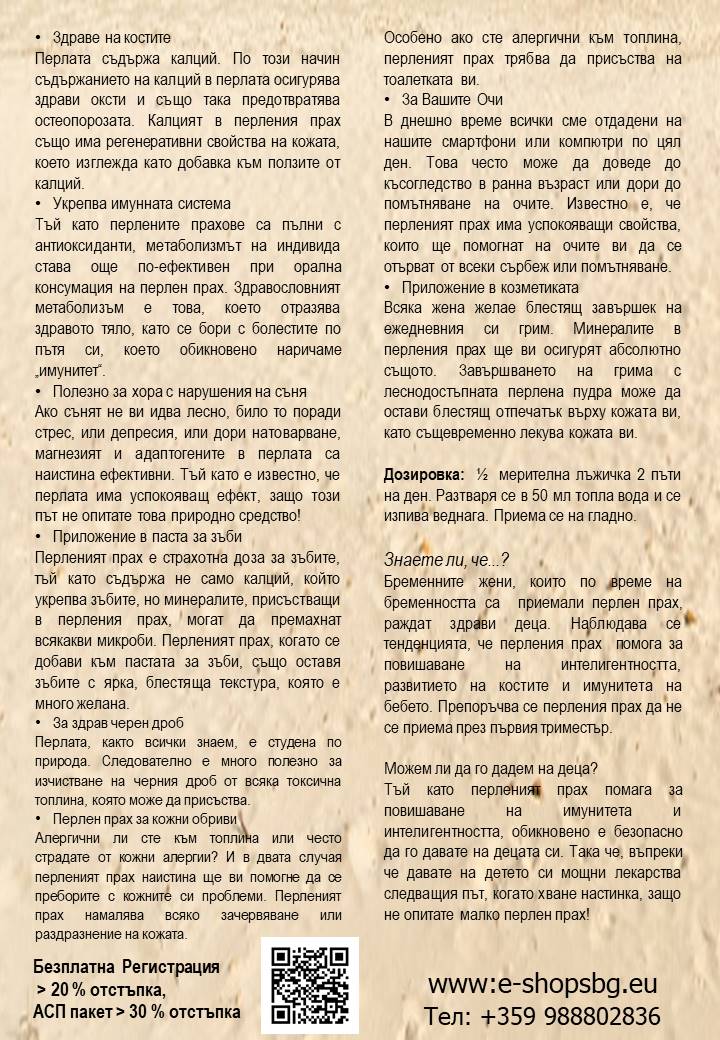
Не можем да следим нивата на всички минерали и витамини и постоянно да си правим изследвания, които също струват не малко пари. По-добре е да добавим към храната си перления прах, спирулината и гъбите рейши и кордицепс. Така тялото ще си вземе каквото му е необходимо и ще влезе в баланс на минералите и витамините.